
Date: 27 Oct 2022, Time: 3pm CEST

Duration: 1:45 hours
Abstract:
The objective of the GHI Genetic Toxicology and Genomics working group is to improve experimental protocols for assessing human risk to different classes of chemicals in air, soil, water, and food. The outcomes shall harmonize and modify state-of-the-art experimental models and technologies for the most effective and reliable biological assays to improve safety standards globally and to improve human health. This webinar presents examples of some of these state-of-the-art models to assess genotoxic, co- and anti-genotoxic potential of different classes of human dietary components.
The nature of the food we consume, and our diet greatly influence our health and well-being, and it is well documented that diet plays an important role in the cause of cancer in humans. Genetic toxicology and chemical / environmental mutagenesis programs aimed to perform human risk assessment have previously been dependent on in vivo (using animals) models. However, it is also proven that enzymatic profiles are different between animals and humans. Consequently, to perform accurate human risk assessment and as suitable alternatives to the use of animals, human hepatoma cells (HepG2) standard cultures- and 3D-models were established. Different biological assays were then generated to assess the genotoxicity of human dietary components [such as heterocyclic aromatic amines (HAA) and mycotoxins], as well as different classes of chemical and physical agents by detecting DNA damage induction, repair kinetics and biological consequences. Furthermore, methods were developed to detect biomarkers of HAA in humans, using mass spectrometric-based methods to measure urinary metabolites, DNA and protein adducts, and HAA accrual in the hair.
In this webinar the importance of these findings for food safety assessment are discussed.
This GHI webinar and interactive sessions, will be expertly chaired by Dr. Diana Bogueva, GHI Working Groups Director.
.
Development and validation of human hepatoma cells in genetic toxicology for assessing food safety: State of the art
Dr. Firouz Darroudi is Chair of the GHI Genetic Toxicology and Genomics working group. Now retired, Dr. Darroudi was previously at Leiden University and Leiden University Medical Center, Departments of Radiation Genetics and Chemical Mutagenesis, and Toxicogenetics, Leiden, The Netherlands, from 1979 to 2016.
Abstract:
It is well-documented that diet plays a crucial role in the aetiology of cancer in humans. Several epidemiological studies indicated that 40% – 70% of the cancer incidence in humans is due to nutritional factors. The nature of the food we consume, and our total diet greatly influence our health and well-being. Food should be tasty, nutritious, and safe. The safety of our food supply is a shared responsibility, from farm to fork, the food producing industry, regulatory authorities, and consumers. As part of this safety assurance, it is essential to assess the potential risks posed by food and food ingredients. The risk assessment process, defined as the determination of the probability of harm resulting from exposure to a food component, must be based on sound scientific data and carried out to internationally agreed standards in a transparent manner. This is essential to ensure consumer confidence in the safety of the food supply, particularly when foods are traded on an international basis. Furthermore, as the world beat of globalization maintains its fast tempo, the challenges of ensuring food safety, security, and nutrition on a global scale continue to grow in complexity. Efforts were made to generate and validate an in vitro cell system for risk assessment of human dietary components, by using human hepatoma cell lines, and mainly HepG2 cells. This cell system is established and validated in genetic toxicology more than 30 years ago (Natarajan and Darroudi, 1991; Mutagenesis 6, 399-403; Darroudi and Natarajan, 1993; Mutagenesis 8, 11-15). Attempts were made to detect and discriminate mutagens / carcinogens, non-mutagens / non-carcinogens and anti-carcinogens in different classes of human dietary components (such as heterocyclic aromatic amines and mycotoxins), and at biologically relevant doses which humans are being exposed to. Outcomes of these studies revealed that unlike other existing in vitro models the response of HepG2 cells was similar to those carcinogenicity data reported in vivo. Consequently, for the first time it is feasible to characterise different classes of human dietary components in vitro, to give a ranking order for their genotoxic potential, to detect the mode action, to perform accurately risk assessment to human, and pave the way towards detecting and characterizing co- and anti-genotoxicants in food. In addition, the use of human hepatoma cell system in vitro reveals this method to be a suitable alternative to the use of animals in genetic toxicology.
3D liver tissue models for DNA damage assessment (genotoxicity)
Professor Dr. Gareth Jenkins, Swansea University, Institute of Life Science, Swansea, United Kingdom
Abstract:
3D tissue models are increasingly being developed to study human biology. With 3D tissue architecture and tight junctions, cells grown in 3D act as true mini-tissues better replicating human biology. They also offer much more appropriate exposure models in some cases to flat 2D cell models. 3D tissue models are being proposed as alternatives to animals in testing to move away from the widespread use of rodents. For genotoxicity testing, 3D models offer the possibility of providing intermediates between true in vitro and true in vivo approaches. Given concerns about misleading positives from in vitro approaches and in order to reduce the numbers of animals used in safety testing, 3D tissue models are offering promising opportunities in genotoxicity testing. Much work has centred on validating 3D skin models for genotoxicity, with development of these systems now being close to OECD guideline acceptance. We and others have also been studying 3D liver models with the view to propose more metabolically competent 3D liver models for safety testing. Many liver cell types (e.g. HepG2 and HepaRG) have been studied in 3D format with both micronucleus and comet assay endpoints. In our lab at Swansea, we have demonstrated increased P450 expression in 3D HepG2 tissues compared to 2D HepG2 systems suggesting a more “liver-like” phenotype. Using micronucleus induction as a genotoxicity endpoint we have demonstrated that B[a]P and PhIP, can be successfully detected in a 3D HepG2 assay. We have also shown that urethane (a unique false negative compound in vitro) causes micronucleus induction in 3D HepG2 cells but not 2D HepG2 cells. We study nanoparticle genotoxicity in 3D liver models as the liver is a major site of nanoparticle accumulation in vivo. However, there are still issues to address. Liver 3D models are time-consuming to use, they develop a necrotic core; the disassociation of the 3D tissues into individual cells for the scoring of micronuclei is not efficient. There are also questions about the metabolic profile of 3D liver tissues and how representative of human liver they truly are.
Cooked meat and cancer etiology
Professor Dr. Robert J. Turesky, Masonic Cancer Center and Department of Medicinal Chemistry, University of Minnesota, Minneapolis, USA
Abstract:
Epidemiologists have observed an association between meat consumption and colorectal cancer (CRC) risk since the 1970s. In 2015, the Working Group of the International Agency for Research on Cancer (IARC) classified red meats as Group 2A carcinogens (possibly carcinogenic to humans) and cured meats as Group 1 carcinogens (carcinogenic to humans) for CRC. Frequent red meat consumption was also associated with cancers of the pancreas and the prostate (mainly advanced prostate cancer) and between consumption of processed meat and cancer of the stomach. These classifications are based on a compilation of epidemiological data and mechanistic evidence from human cohort studies and animal models; however, the causative chemicals responsible for CRC etiology remain uncertain. Meat products contain several classes of carcinogens, including N-nitroso compounds (NOCs) in processed meats and heterocyclic aromatic amines (HAAs) and polycyclic aromatic hydrocarbons (PAHs) in grilled red meats. These compounds are procarcinogens that undergo enzymatic bioactivation to produce reactive species that form DNA adducts. If not repaired, some DNA adducts formed in cancer-driver genes can induce mutations during cell division leading to the onset of cancer. Some of these carcinogens and structurally similar compounds are also found in tobacco smoke, which is a risk factor for CRC. Biomarkers of these chemicals, their metabolites, and protein and DNA adducts are required for molecular epidemiology studies investigating the role of diet in cancer etiology. Our laboratory has established biomarkers of PhIP and other HAAs using mass spectrometry based methods to measure urinary metabolites, DNA, and protein adducts, and HAA accrual in the hair of humans. 2-Amino-1-methyl-6-phenylimidazo[4,5-b]pyridine (PhIP) is the most mass abundant carcinogenic HAA formed in well-done cooked meats and cured meats such as bacon and sausages. PhIP binds to melanin in hair with higher affinity than other HAAs and is detected in the hair of omnivores but not vegetarians. PhIP undergoes extensive metabolism in vivo to form the genotoxic metabolite 2-hydroxyamino-1-methyl-6-phenylimidazo[4,5-b]pyridine (HONHPhIP), which is largely carried out by hepatic cytochrome P450 1A2 and extrahepatic P450 1A1 and P450 1B1. The N-oxidation of PhIP accounts for approximately 70% of its metabolism in humans. HONH-PhIP can react directly with DNA to form the mutation-inducing DNA adduct N- (2′-deoxyguanosin-8-yl)-PhIP (dG-C8-PhIP). HONH-PhIP undergoes further activation by phase II enzymes, including N-acetyltransferase and sulfotransferases, to form highly reactive esters that adduct to DNA and proteins. HONH-PhIP selectively reacts with the cysteine34 amino acid of serum albumin (SA). The PhIP-Cys34-SA protein adduct is formed in humans eating a cooked meat diet, proving that PhIP undergoes bioactivation in humans. Our laboratory has shown that the geometric mean PhIP hair levels were elevated in prostate cancer (PC) patients with aggressive pathology biomarkers. PhIP hair levels were higher in patients with intermediate and elevated risk prostate-specific antigen values than lower-risk values.
Speaker 1:
Dr. Firouz Darroudi
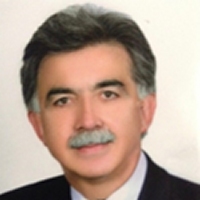 Dr. Firouz Darroudi is currently Chair of the Global Harmonization Initiative – Genetic Toxicology and Genomics working group. He received his Ph.D, from Leiden University in 1989 and worked as a lecturer and senior research scientist, since 1979 and for more than 37 years, at departments of Radiation Genetics and Chemical Mutagenesis and Toxicogenetics of Leiden University and Leiden University Medical Center, Leiden (The Netherlands). Dr. Darroudi’s major interests are: Cancer Research, Cellular Biology, Genetic Toxicology, Food Safety, Environmental and Chemical Mutagenesis, Radiation Genetic, Biological Dosimetry, Detecting biomarkers for cancer of different origins, Development and validation of Fluorescence in situ hybridization (FISH) technology and its application in both applied and basic science research programs, Risk assessment of human dietary components, Development and validation of animal alternative systems (in vitro). On the latter subject he developed four systems, that can contribute significantly to improve food safety standards, and to reduce or eliminate the use of animals in testing of different classes of chemicals and in genetic toxicology programs. These are: 1. Zea mays S2-plant microsomal extract, 2. Rat plasma assay, 3. Human HepG2 cells, 4. Human HepG2 S9-microsomal extract. He acted as the senior research consultant to: International Atomic Energy Agency (Vienna, Austria), World Health Organization (Geneva, Switzerland) and UNESCO (Paris-France).
Speaker 2:
Professor Dr. Gareth Jenkins
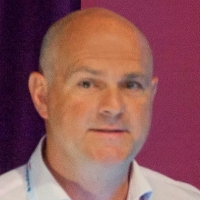 Dr. Gareth Jenkins is Professor of Molecular Carcinogenesis at Swansea University’s Medical School and an expert in DNA mutation research. Dr. Jenkins has degrees from Kings College London (BSc Biophysics, 1990), the University of the West of England (MSc Biotechnology, 1991) and a PhD from University of Wales in 1997 in “Molecular Mutagenesis”. His research group at Swansea investigates the mechanisms underlying DNA mutagenesis and carcinogenesis. He mainly works in the “Genetic Toxicology“ field studying hazards and risks posed by exposure to new products (drugs, foodstuffs, chemicals, nanomaterials etc). His group have been designing new cell-based testing approaches for mutagenic agents to reduce the numbers of animals used in safety testing. For 20 years he has also researched the Barrett’s oesophagus/oesophageal adenocarcinoma model to better understand the initiation of cancer and the role of mutations as biomarkers of disease. There is currently a specific focus on developing novel blood-based diagnostic tests for early cancer detection. Dr. Jenkins is the Chair of the UK Government’s Committee on Mutagenicity (COM) and sat on COM as a member from 2009 till 2019. He is a Senior Editor for the journal “Mutagenesis”, President of the UK Environmental Mutagen Society (UKEMS) and is also the Associate Dean of Research for the Faculty of Health and Life Science at Swansea University.
Speaker 3:
Professor Dr. Robert Turesky
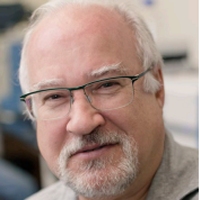 Dr. Robert Turesky is a Professor in the Department of Medicinal Chemistry and holds the inaugural Mason’s Chair on Cancer Causation at the University of Minnesota. Dr. Turesky received his Ph.D. in nutrition and food science from Massachusetts Institute of Technology. Before his current position, Dr. Turesky served as Group Leader of the Biomarkers Unit, Nestlé Research Center, Lausanne, Switzerland (1986-2000); Division Director of Chemistry, National Center for Toxicological Research, U.S. Food and Drug Administration, Jefferson, AR, (2000 – 2004); and Principal Investigator, Wadsworth Center, New York State Department of Health (2004 – 2013). He conducts mechanistic research on the biochemical toxicology of dietary and environmental genotoxicants. He applies mass spectrometry techniques to identify and measure biomarkers of these chemicals in epidemiology studies that seek to understand the role of chemical exposures in the etiology of cancer.
Chair & Event Moderator:
Dr. Diana Bogueva
 Dr. Diana Bogueva, GHI Working Groups Director is a social scientist with interests in sustainable food consumption, alternative proteins, consumer perception of novel food processing technologies and generational consumer behaviour, food sustainability and harmonization. Diana’s work has won three awards: the Australian National Best Book winner in 2019 and the World’s Best Book award 2020 in the Vegetarian book category at the prestigious 24th and 25th Gourmand Awards, considered equivalent to the Oscars in the area of food books, for her co-edited book ‘Environmental, Health and Business Opportunities in the New Meat Alternatives Market’. She also won the 2020 Faculty of Humanities Journal Article of the Year Award at Curtin University for their co-authored paper “Planetary Health and reduction in meat consumption”, which was at the top 5% of all world research outputs scored by Altmetrics. Diana is also a finalist in the 10th International Book Award at America’s Book Fair 2019 for her co-edited book ‘Handbook of Research on Social marketing and its influence on animal origin food product consumption’. In 2022 Diana published her first co-authored book ‘Food in a Planetary Emergency’ with Professor Dora Marinova. This book is a timely overview of current food systems and the required transformations to respond to climate change, population pressures, biodiversity loss and use of natural resources.